Short answer: Precision search is query engineering. Instead of typing keywords and hoping, a search architect combines Boolean logic, proximity, and field operators such as filetype:, inurl: and intitle: to tell the engine exactly where and how to look, cutting noise and surfacing primary sources fast.
⬇ Download Slide Deck (15-Slide PDF)
Learn more: for a quick-glance companion, see Master Google Search: From Keywords to Precision Queries, and go deeper with the research reports Structured Query Building and Advanced Google Search Operators and Information Retrieval in the Age of AI.
Why Researchers Need Query Engineering
Search engines rank results by predicted popularity and relevance, not by evidentiary value. A plain keyword query returns what most people click, which is often secondary commentary, marketing pages, or AI-generated summaries. Query engineering flips that relationship: the researcher defines the document type, location, wording, and exclusions, so the engine returns a smaller set of far more useful results.
The Core Components of the Toolkit
1. Boolean Logic: AND, OR, NOT
Boolean operators control how terms relate. AND (implicit in Google) narrows results; OR broadens them across synonyms; the minus sign (-) excludes noise. Example: ("due diligence" OR "background check") supplier -jobs.
2. Proximity and Exact Phrases
Quotation marks force an exact phrase, while AROUND(n) asks Google to find terms within roughly n words of each other. Proximity is valuable when a name and an event should appear close together but not necessarily as a fixed phrase: "Acme Holdings" AROUND(5) lawsuit.
3. Document Structure: How Engines Read Pages
Search engines ingest the page hierarchy, including the URL, the title tag, headings and body text. Field operators let you target each layer of that structure directly, which is why they are so much more precise than general keywords.
4. filetype: for Primary Documents
Reports, filings and datasets usually live in PDFs, spreadsheets and slide decks. filetype:pdf "annual report" 2025 or filetype:xlsx budget site:gov skips blog commentary and goes straight to source documents.
5. inurl: for Site Architecture
URLs reveal how a site is organized. inurl:press-release, inurl:investor or inurl:staff find specific sections, even on sites you have never explored.
6. intitle: for Topical Precision
The title tag states what a page is about. intitle:"case study" ransomware returns pages built around that topic rather than pages that mention it in passing. Use allintitle: when every word must appear in the title.
Watch: Google Advanced Search Tips & Tricks
Operator Quick-Reference Framework
| Goal | Operator | Example query |
|---|---|---|
| Exact wording | "..." |
"beneficial ownership register" |
| Synonyms | OR |
(audit OR review) "internal controls" |
| Remove noise | - |
python -snake -monty |
| Terms close together | AROUND(n) |
"John Smith" AROUND(4) fraud |
| Primary documents | filetype: |
filetype:pdf "risk assessment" 2026 |
| One domain or TLD | site: |
site:europa.eu sanctions guidance |
| Site sections | inurl: |
site:example.com inurl:press |
| Topic focus | intitle: |
intitle:"annual report" filetype:pdf |
A Five-Step Precision Search Protocol
- Define the question and the type of evidence that would answer it.
- List terms and synonyms, then group them with
OR. - Add structure with
filetype:,site:,inurl:orintitle:. - Subtract noise with exclusions and refine with date tools.
- Verify sources: check authorship, date and corroboration before citing.
Become a Certified Internet Research Specialist
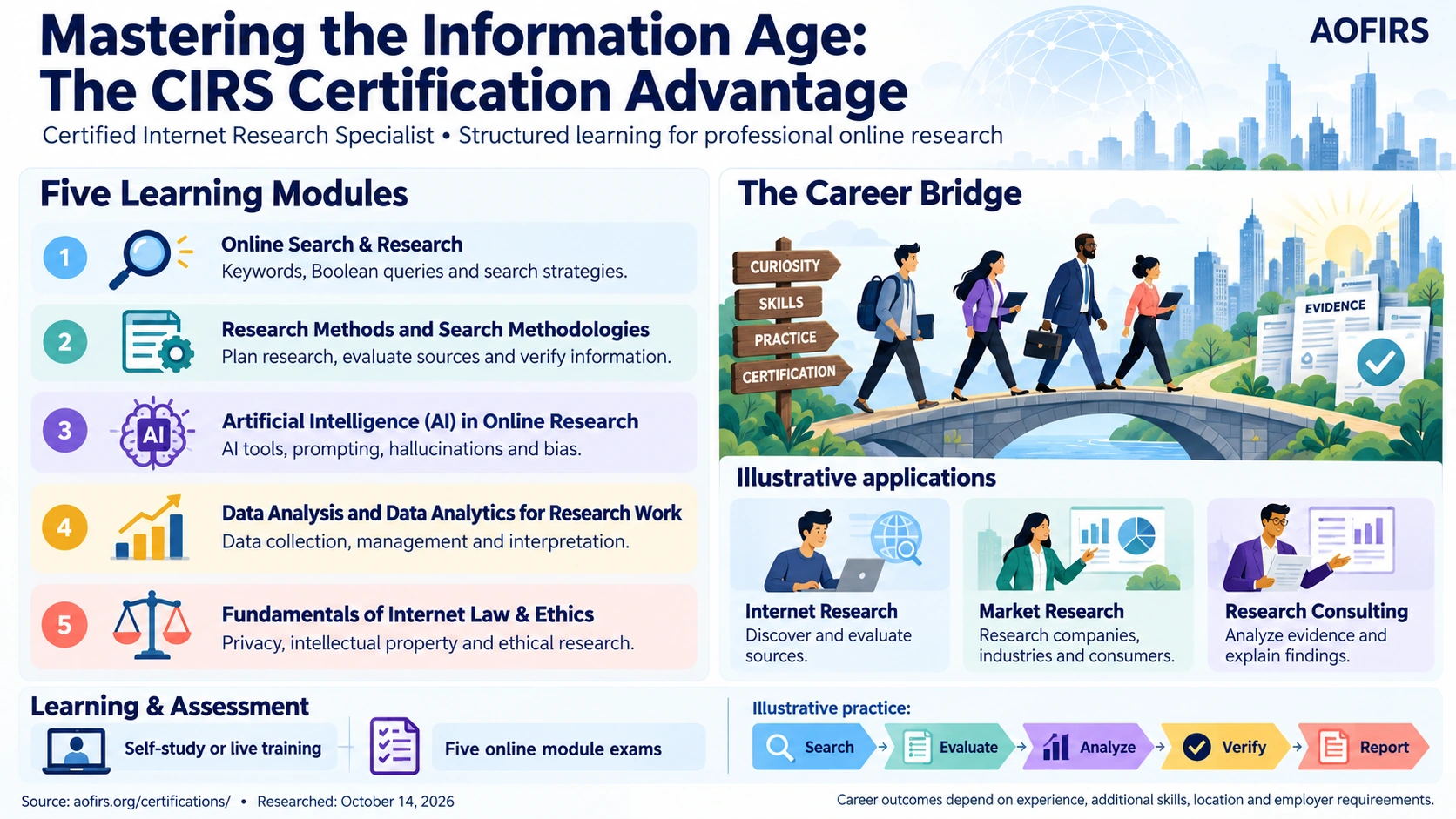
Turn these techniques into a professional credential. The CIRS Certification Course and Learning Package covers advanced search, source evaluation, OSINT and AI-assisted research in a structured program.
Free Resources
- Master Google Search: From Keywords to Precision Queries
- Advanced Google Search Operators Guide
- Information Retrieval in the Age of AI
- Hacking AI for Deep Research
Frequently Asked Questions
What is query engineering?
It is the practice of building search queries deliberately with operators and structure so the engine returns precise, relevant, verifiable results instead of popular ones.
Which Google operators are most useful for research?
Exact phrases, OR, exclusion (-), site:, filetype:, inurl: and intitle: cover most professional research needs.
Does Google still support proximity search?
AROUND(n) is unofficial and its behavior can vary, so treat it as a helpful filter and confirm results manually.
Is the slide deck free?
Yes. The 15-slide Search Mastery Toolkit can be viewed above and downloaded free as a PDF.
Published by the Association of Internet Research Specialists (AOFIRS). Updated October 2026.