
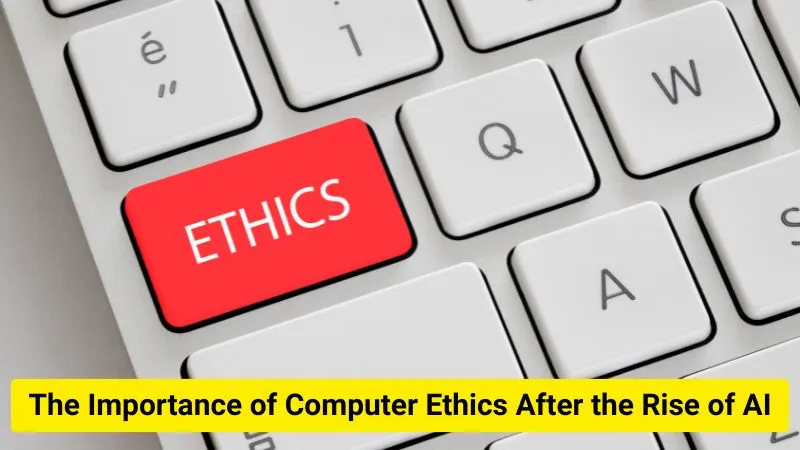
Understanding Computer Ethics in the Age of AI
To understand computer ethics, we must first define ethics itself — the branch of philosophy concerned with determining what is right or wrong in human actions. Ethics guides behavior through reason and aims to achieve the greater good.
Computer ethics, therefore, refers to the moral principles and standards that govern the responsible use of technology. It defines acceptable behavior in using computers, networks, and digital systems. In 2025, this extends to AI systems, machine learning models, and data-driven technologies that are now deeply embedded in our daily lives.
Examples include avoiding plagiarism, respecting copyright laws, protecting personal data, and preventing the misuse of artificial intelligence tools for harmful purposes such as misinformation or deepfakes.
A Brief History of Computer Ethics
The concept of computer ethics dates back to 1976, when Walter Maner coined the term as computers began entering homes and workplaces. Early concerns focused on privacy, hacking, malware, and data misuse.
As the internet evolved, so did the ethical challenges. From online fraud to software piracy, computer ethics became essential to maintaining trust in digital systems.
Today, universities teach computer ethics as a core subject, and global tech companies — including Google, Microsoft, and Meta — have dedicated AI ethics teams. Institutions like the Technical University of Munich’s Ethics Center (funded by Facebook) now explore responsible AI development and digital fairness.
What Constitutes Unethical Behavior in the Digital Era?
Unethical computer behavior has evolved far beyond plagiarism or pirating media.
In 2025, examples include:
- Plagiarism & Copyright Infringement – Copying digital work or using AI-generated content without attribution.
- Piracy – Downloading paid software, music, or films illegally.
- Spreading Disinformation – Using AI tools or bots to spread false information.
- Deepfake Manipulation – Creating misleading videos or altering media to deceive audiences.
- Data Exploitation – Selling or leaking personal data without consent.
These unethical actions undermine trust in technology, compromise user safety, and can have legal consequences in most countries.
How Computer Ethics Shapes Modern Society
With the explosion of artificial intelligence, machine learning, and automation, computer ethics now plays a more crucial role than ever.
It ensures that digital innovation aligns with human values, fairness, and transparency.
For instance:
- Ethical frameworks help AI developers avoid algorithmic bias.
- Cybersecurity professionals rely on ethical guidelines to protect users’ privacy.
- Governments use digital ethics to shape data protection laws and AI governance.
Without strong computer ethics, AI could be misused to manipulate economies, elections, or even personal identities — making ethical literacy essential for all professionals.
The Importance of Computer Ethics in 2025
1. Encourages Moral and Social Values
Computer ethics instills honesty, accountability, and respect in digital interactions. In an era of misinformation and AI-generated content, these principles guide individuals toward responsible use of technology.
2. Protects Personal and Commercial Information
With massive data stored online, cybersecurity and data privacy are top priorities. Ethical computing ensures that sensitive information — from passwords to biometric data — is protected from misuse or theft.
3. Prevents Plagiarism and Copyright Abuse
AI-generated text, images, and code make plagiarism easier than ever. Computer ethics educates users on intellectual property rights, encouraging fair use and originality.
4. Promotes Fair Business Competition
Ethical standards prevent companies from manipulating algorithms, search rankings, or user data for unfair advantage — fostering transparency and trust in digital commerce.
5. Ensures a Safe Digital Environment
Computer ethics supports cyber hygiene — the practice of using technology safely and securely. By discouraging data theft, ransomware, and online scams, ethics creates a safer online ecosystem for all users.
6. Prevents Job Loss Through Fair Software Use
Piracy harms industries and causes layoffs. By promoting legal software use and respecting developer rights, computer ethics sustains creative industries and job security.
7. Inspires Innovation and Creativity
Developers thrive when their work is respected. Ethical computing encourages innovation in AI and software by rewarding originality instead of exploitation.
8. Advances Education and Digital Literacy
Online learning platforms have transformed education globally. Ethical computing ensures academic honesty, data safety, and respectful collaboration across digital classrooms.
9. Establishes Global Digital Laws
From GDPR (Europe) to AI governance frameworks (US, Japan, India), nations have implemented global standards for privacy, consent, and online conduct — all rooted in computer ethics.
10. Keeps IT Professionals Accountable
Ethical education is mandatory for future developers, data scientists, and cybersecurity professionals. It reinforces that tech skills must be balanced with ethical responsibility.
11. Adapts to Rapid Technological Change
AI and automation evolve daily. Computer ethics provides the moral compass to guide innovation responsibly — from autonomous systems to generative AI and quantum computing.
Ethics, Cybersecurity, and AI in 2025
As AI becomes more advanced, ethical considerations now intersect with cybersecurity.
AI-powered phishing attacks, data poisoning, and AI model theft are real threats.
Professionals with AI ethics and cybersecurity skills are in high demand to mitigate these risks and ensure the technology benefits humanity, not harms it.
AI ethics today also covers:
- Responsible AI development
- Bias-free data collection
- Explainable AI (XAI) for transparency
- Consent-based data processing
Conclusion
In 2025 and beyond, computer ethics is no longer optional — it’s foundational.
It shapes how we interact online, protects digital rights, and ensures AI serves humanity ethically and fairly.
A strong ethical framework leads to:
- Reduced cybercrime and piracy
- Safer online communication
- Fairer digital marketplaces
- More responsible innovation
By practicing good computer ethics, individuals and organizations help build a digital world where technology empowers — not exploits — humanity.