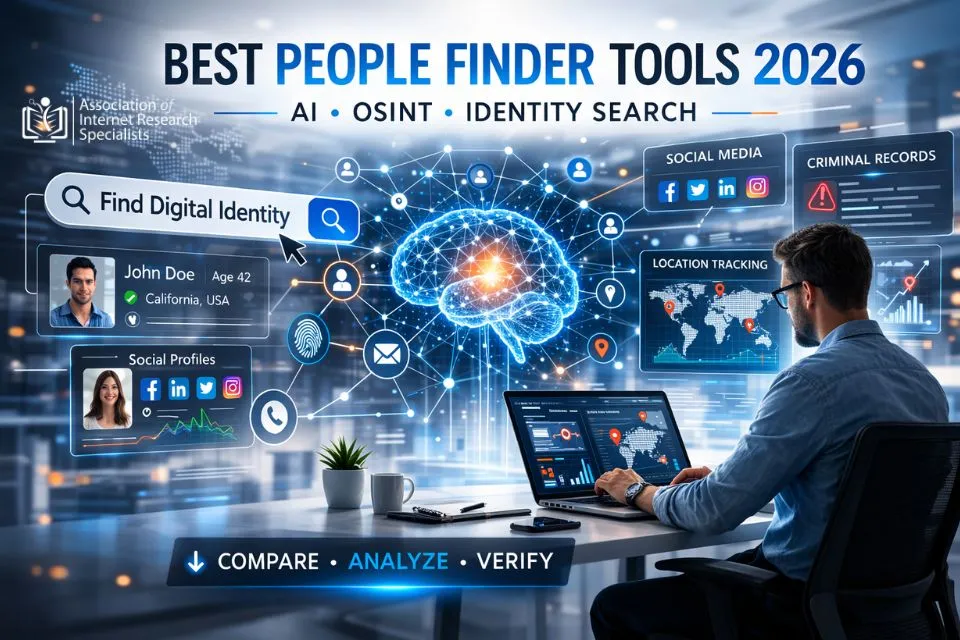
People search is no longer a basic lookup. In 2026, it is a core internet research skill used in OSINT, business intelligence, due diligence, compliance, academic research, and fraud detection. The real advantage is not access to tools — it is knowing which tool to use, when to use it, and how to verify the data. The structured methodology behind this guide is part of the Certified Internet Research Specialist (CIRS) program.
What Are People Finder Websites?
These tools compile data from multiple sources, including:
- Public records (state, federal, and local)
- Court and criminal databases
- Property ownership data
- Social media footprints
- Professional and business registries
AI now connects these into identity graphs, transforming scattered data into actionable research. For access to specialized research databases, explore the AOFIRS Search Engine Lists.
Why People Finder Tools Matter for Professional Researchers
Modern investigations require verified, multi-source intelligence.
Today’s platforms help you:
- Confirm real identities
- Map digital footprints
- Detect hidden connections
- Verify business partners
- Support KYC & due-diligence workflows
When used correctly, they reduce research time from hours to minutes. Advanced tools, research frameworks, and analyst resources are available through AOFIRS professional membership.
Top 15 People Finder Websites in 2026
1. PeopleFinders—Best for Historical Record Research

A trusted service with over 40 years of data. It allows users to access historical and current information using over a billion public records.
🔗 Visit website
2. Intelius — Best for Deep Background Intelligence

Known for its deep property-centric lookups and “Identity Shield” feature, Intelius is a leader in comprehensive background checks and location history.
🔗 Visit website
3. USPeoplesearch — Best for Quick Public Record Summaries
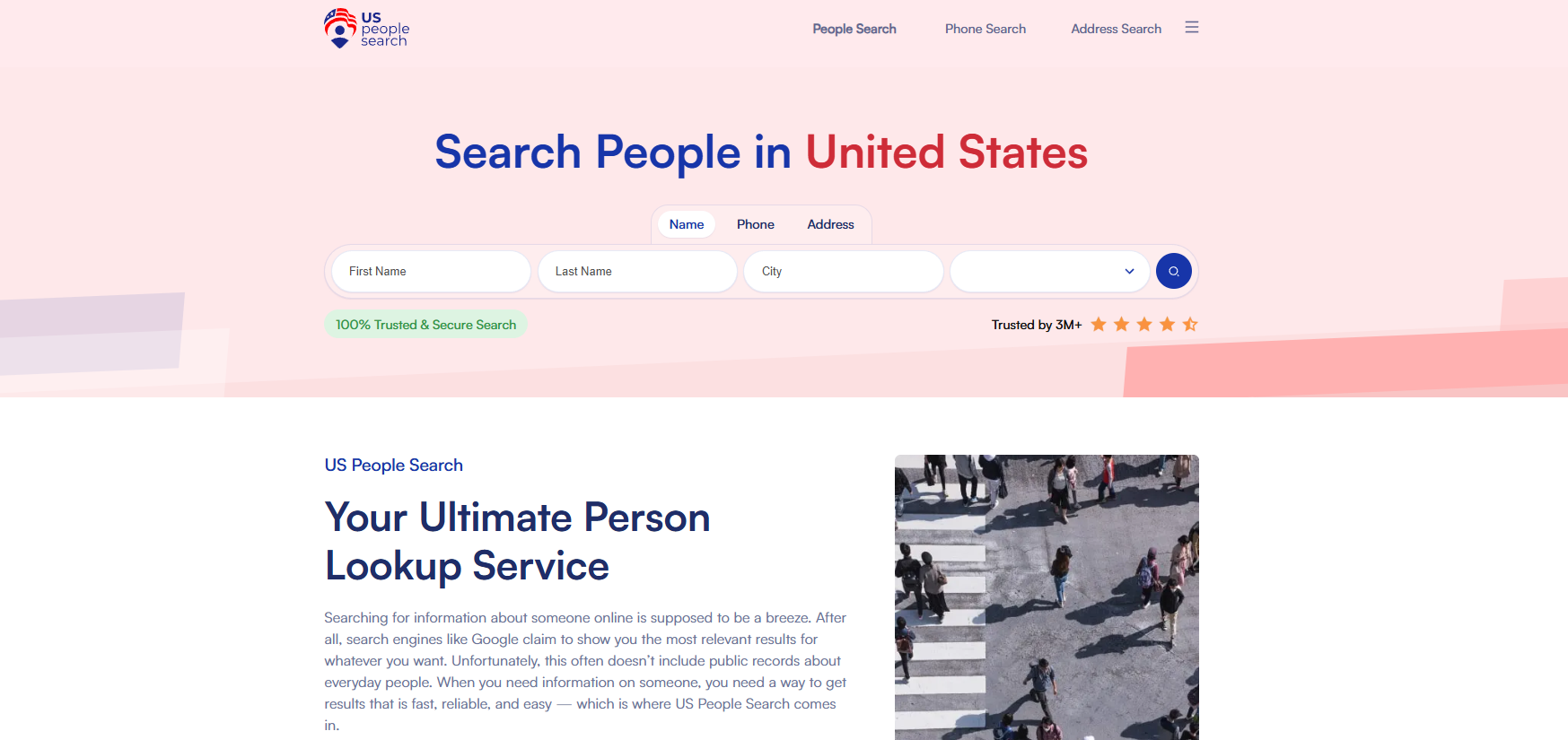
USPeopleSearch – Best for Quick Public Record Summaries
An efficient platform optimized for retrieving quick, high-level summaries of public records, contact info, and basic address history.
4. BeenVerified—Best All-In-One Research Tool

The top “all-rounder” for 2026. It excels at finding social media accounts, vehicle records (VIN), and even unclaimed money tied to a person’s name.
🔗 Visit website
5. TruthFinder—Best for Risk & Dark-Web Monitoring
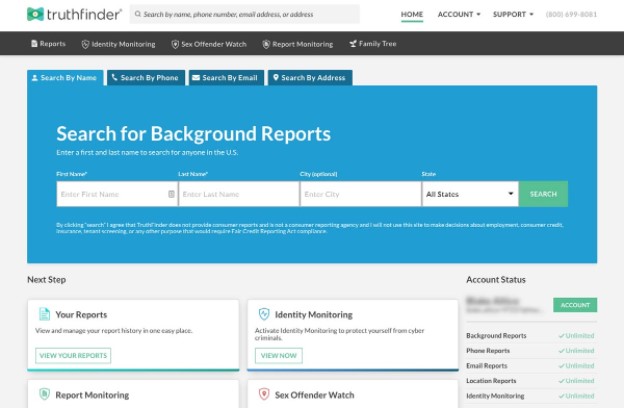
Ideal for in-depth background checks and dark web monitoring to see if your personal information has been compromised.
🔗 Visit website
6. CocoFinder—Best for Structured Identity Reports
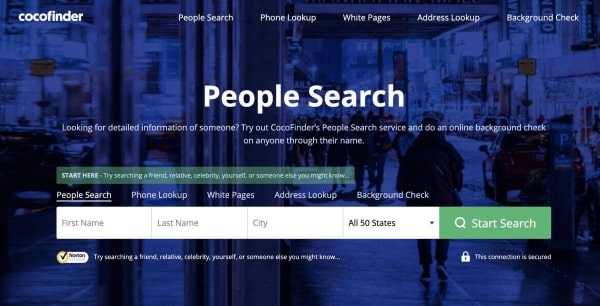
A versatile tool providing transparent identity reports, including traffic tickets and sex offender data.
🔗 Visit website
7. TruePeopleSearch—Best Free OSINT Starting Point

Widely regarded as the best free tool for 2026, offering name, address, and relative information without a paywall.
🔗 Visit website
8. FindPeopleSearch—Best Free Aggregated Lookup

A unique search engine that aggregates contact info from across the web for unlimited free use.
🔗 Visit website
9. Whitepages — Best for Professional Verification
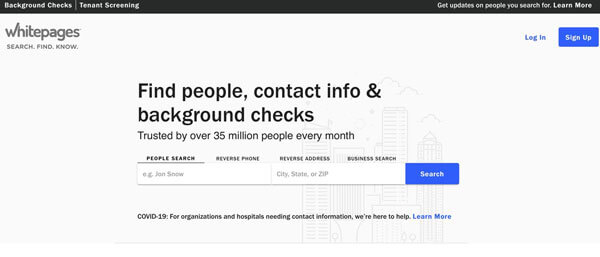
The long-standing leader in identity verification, fraud screening, and professional license details.
🔗 Visit website
10. Instant Checkmate—Best for Criminal Record Research

The go-to platform for criminal and traffic record lookups, providing unlimited reports with a user-friendly interface.
🔗 Visit website
11. US Search—Best Budget Background Tool
The oldest search engine in the space, US Search remains a reliable, budget-friendly option for simple residency and contact confirmation.
🔗 Visit website
12. FastPeopleSearch—Best for Rapid Queries

Leverages advanced algorithms to provide rapid reports on online dating safety and criminal history.
🔗 Visit website
13. Spokeo—Best for Digital Footprint Mapping

An aggregator of over 300 million U.S. profiles, specializing in mapping digital footprints and social media handles.
🔗 Visit website
14. People Search Now—Best for Family & Wealth Data

A focused public record database that prioritizes family and wealth data without relying on social network APIs.
🔗 Visit website
15. AnyWho—Best for Business & Individual Linking
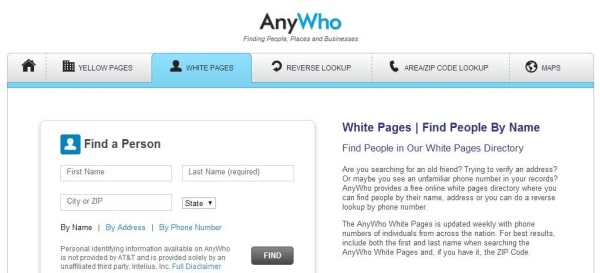
Combines traditional White and Yellow Page data, making it useful for finding both individuals and business connections.
🔗 Visit website
16. USA People Search—Best for Large Public Record Access

A reliable resource for finding U.S. residents through a massive library of billions of public documents.
🔗 Visit website
AI-Powered People Finders
In 2026, Artificial Intelligence has transformed the industry and shifted people’s searches from databases to context-based identity discovery. These tools use machine learning and facial recognition to connect fragmented data across the web.
Here are a few standout AI-powered people search platforms in 2026:
1. PeopleGPT (Juicebox.ai)

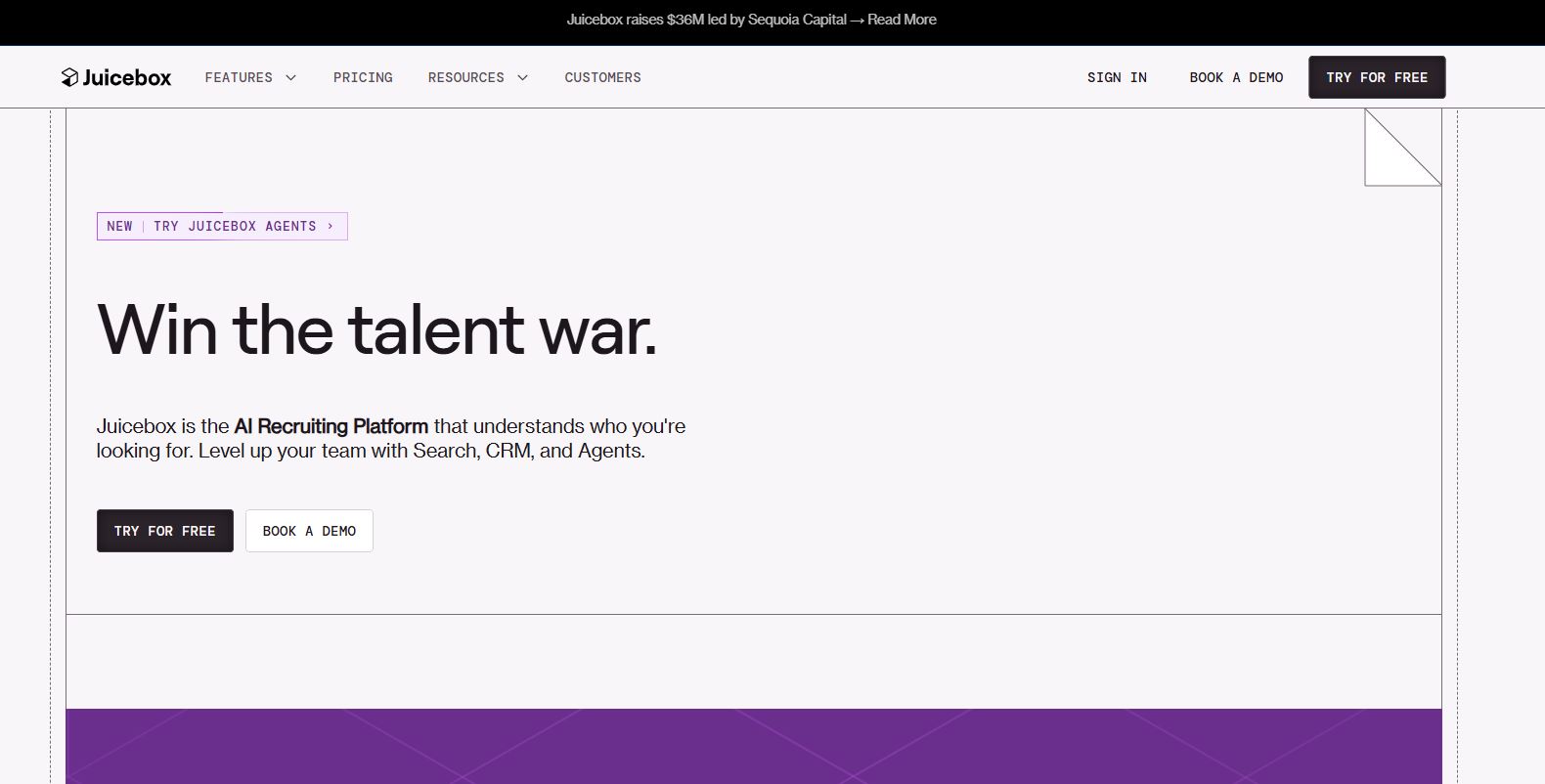
An AI-driven search engine for professional and social discovery. It uses natural language to find specific individuals across 800M+ profiles.
🔗 Visit website
2. WhiteBridge AI:


Uses AI to create “identity graphs” by linking social media activity and property data across multiple records.
🔗 Visit website
3. PimEyes:


A powerful facial recognition engine that finds publicly available images of individuals to monitor visual identity.
🔗 Visit website
4. HyperWrite AI Person Finder


Uses NLP-powered models to build context-based digital identity summaries.
🔗 Visit website
5. DeepSearch AI Assistant

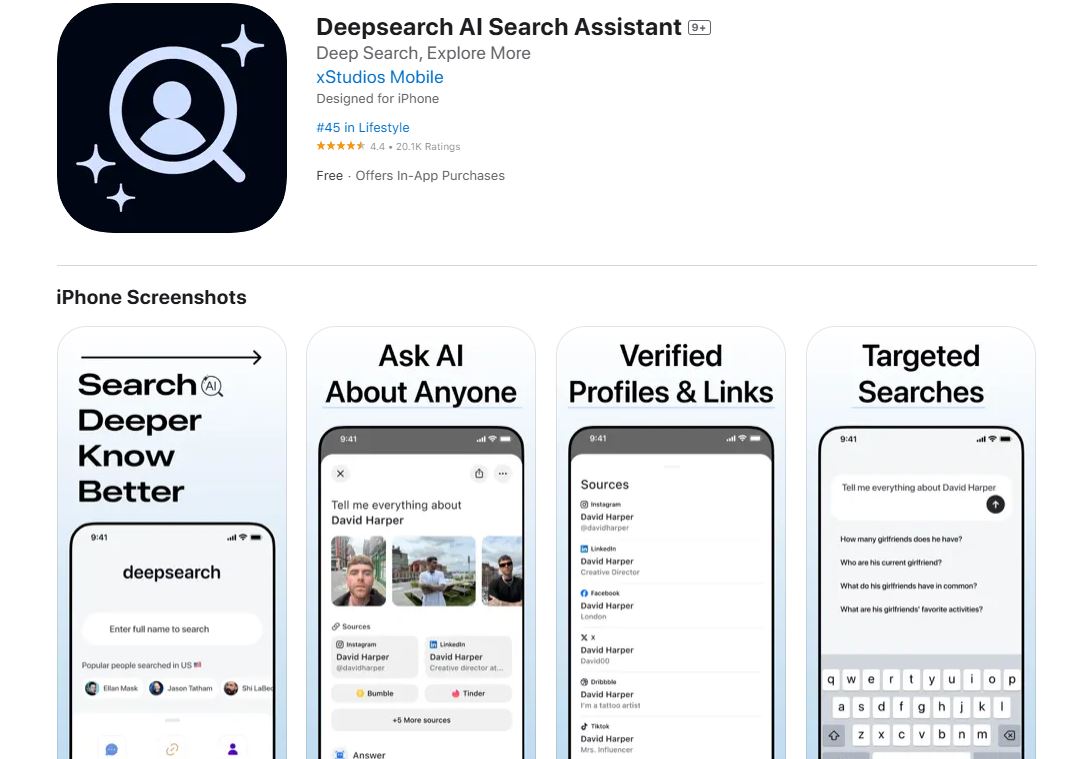
A next-generation mobile app that unifies social footprints and contact records into one dashboard.
🔗 Visit website
To understand how these tools fit into a real research workflow, explore internet research training programs.
How Certified Researchers Use These Tools
The CIRS methodology follows a structured workflow:
1. Discovery Phase
- Free tools
- Search engines
- Social footprint mapping
- Use privacy-focused tools from private search engines for anonymous research.
2. Verification Phase
- Address timelines
- Employment validation
- Record cross-checking
3. Intelligence Phase
- AI identity graph analysis
- Risk & exposure assessment
This transforms basic searching into defensible, professional research.
See how these methods are applied in real environments inside AOFIRS research reports.
How to Find People on Google (Advanced Technique)
Use precision operators:
- “Full Name” AND “City”
- Site:linkedin.com “Full Name”
- Intitle:“Full Name”
These eliminate false matches and increase accuracy.
Free vs Paid Tools – A Professional Research Strategy
Use Free Tools For:
- Initial discovery
- Contact confirmation
Use Paid Tools For:
- Due diligence
- Investigations
- Business verification
Professional researchers always use a layered approach.
Ethics, Privacy & Legal Compliance
All identity research must follow privacy laws and ethical OSINT standards.
For a deeper framework, read the Internet Consumer Data Privacy research paper.
Turn Tools into a Professional Skill
Access to tools does not make someone a researcher.
Methodology does.
The Certified Internet Research Specialist (CIRS) program teaches you how to:
- Use these platforms professionally
- Validate and defend your findings
- Apply AI-augmented research workflows
- Conduct real-world investigations
- Build a career in internet research & digital intelligence
You can also contribute your research to AOFIRS and join the global research community.
Conclusion
People finder tools are no longer simple lookup services. Always ensure you are using these platforms ethically and in compliance with privacy laws. They are foundational intelligence platforms for modern researchers.
When combined with the right methodology, they allow you to:
- Work faster
- Increase accuracy
- Produce defensible research
- Deliver real business value
That is the difference between searching and becoming a Certified Internet Research Specialist.