
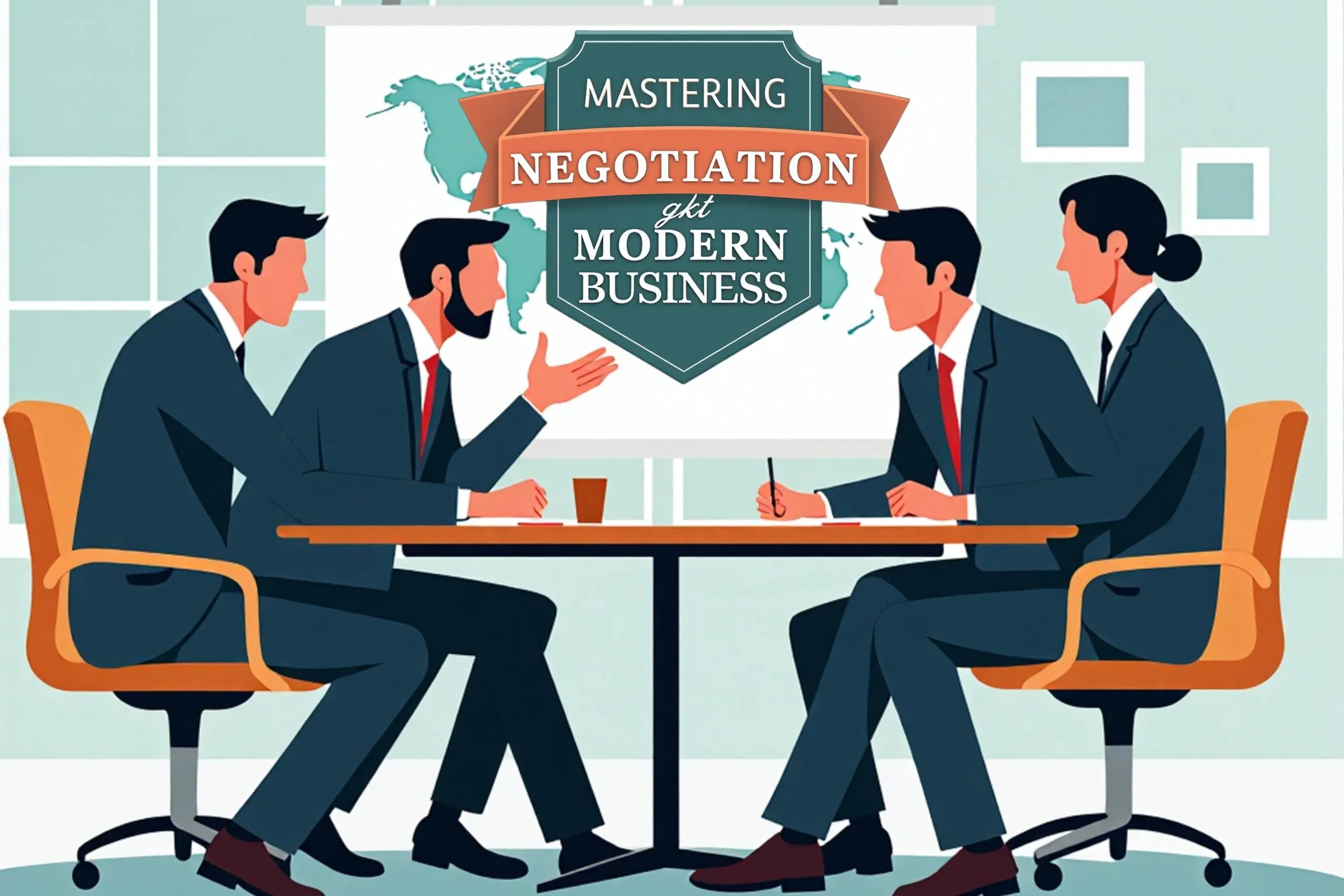
Negotiation remains one of the most critical competencies in today’s corporate landscape. Whether you’re closing a deal, managing vendor relationships, or resolving workplace conflicts, the ability to negotiate effectively can determine your success. Strong negotiation skills enable professionals to create mutually beneficial outcomes, build lasting partnerships, and drive organizational growth. Understanding the psychology behind negotiation and applying proven techniques can transform how you approach business discussions and ultimately influence your career trajectory.
The Foundation of Effective Negotiation
What Makes a Skilled Negotiator?
Successful negotiators share common traits: active listening, emotional intelligence, and strategic thinking. They understand that negotiation isn’t about winning at someone else’s expense, but rather discovering common ground and creating value for all parties involved. To develop these skills, professionals often benefit from expanding their business english vocabulary to better articulate their positions and understand nuanced language in discussions.
Preparation and Strategy
Before entering any negotiation, thorough preparation is essential. This includes researching the other party, understanding their priorities, and setting clear objectives for yourself. Develop a BATNA (Best Alternative to a Negotiated Agreement) to establish your walking-away point. Document your priorities, identify areas where you can offer flexibility, and anticipate potential objections. This groundwork prevents reactive decision-making and positions you as a confident, informed negotiator.
Key Techniques for Successful Negotiations
Active Listening and Question-Asking
Many negotiators focus exclusively on presenting their case, missing crucial information from the other side. Active listening involves paying close attention to both verbal and non-verbal cues, asking clarifying questions, and demonstrating genuine interest in understanding the other party’s needs. By asking strategic open-ended questions, you gather valuable intelligence that shapes more effective proposals.
Creating Value Beyond Price
The most sophisticated negotiators recognise that deals involve multiple variables beyond cost. These may include delivery timelines, payment terms, service levels, exclusivity arrangements, or future partnership opportunities. By identifying and offering trade-offs across these dimensions, you create solutions that satisfy both parties more comprehensively than simple price haggling ever could.
Managing Emotions and Building Rapport
Negotiations can trigger strong emotions, particularly under pressure. Maintaining composure, demonstrating respect for the other party, and finding points of agreement early in discussions builds positive momentum. Even in adversarial situations, a professional demeanor and genuine appreciation for the other perspective often leads to more collaborative outcomes.
Common Negotiation Challenges and Solutions
Overcoming Impasses
When negotiations stall, resist the urge to make concessions simply to reach agreement. Instead, pause the discussion, identify the actual points of disagreement, and explore creative solutions. Sometimes breaking a complex negotiation into smaller, sequential agreements proves more effective than attempting to resolve everything at once.
Handling Aggressive Tactics
Some negotiators employ pressure tactics to force concessions. Recognise these for what they are, remain calm, and don’t reciprocate with aggression. Phrases like “I appreciate your perspective, but let’s explore options that work for both of us” redirect the conversation toward collaboration without appearing weak.
Managing Power Imbalances
Whether you’re negotiating with a significantly larger organisation or an individual with more experience, power imbalances are common. Strengthen your position through thorough preparation, coalition-building with allies, and emphasising mutual benefits. Remember that even the strongest party has incentives to maintain a sustainable relationship.
Frequently Asked Questions
How can I improve my negotiation skills quickly?
Practice regularly in low-stakes situations, seek feedback from mentors, and study case examples of successful negotiations. Many organisations offer negotiation workshops that provide interactive learning experiences. Reviewing recordings of your own discussions (where permitted) reveals unconscious habits and communication patterns you can refine.
What’s the difference between assertiveness and aggression in negotiation?
Assertiveness means clearly stating your needs and boundaries whilst respecting the other party’s position. Aggression involves demanding concessions or threatening consequences. Assertive negotiators maintain respect and openness to dialogue; aggressive negotiators often create defensiveness and damaged relationships.
Should I always be the first to make an offer?
This depends on circumstances. If you have superior market information and can make a reasonable offer, anchoring the negotiation with your first number can be advantageous. However, if you lack confidence in your valuation, requesting their opening position first provides valuable data for calibrating your counter-offer.
How do I know when to walk away from a negotiation?
Walk away when the deal falls below your BATNA, when the other party demonstrates bad faith, or when continuing discussions damages your credibility or reputation. Sometimes the best negotiation outcome is recognizing that no deal is better than a bad one. This clarity actually strengthens your negotiating position.
What role does cultural awareness play in international negotiations?
Cultural differences significantly impact negotiation styles, decision-making timelines, relationship-building expectations, and communication directness. Investing time to understand cultural norms, business etiquette, and decision-making frameworks in the other party’s country demonstrates respect and prevents costly misunderstandings.
Conclusion
Negotiation mastery represents a substantial competitive advantage in business. By combining thorough preparation, active listening, creative problem-solving, and emotional intelligence, you position yourself to achieve better outcomes whilst building stronger professional relationships. The most successful negotiators understand that sustainable success comes from creating value for all parties, not from winning individual transactions at someone else’s expense. Whether you’re early in your career or an experienced executive, committing to continuous improvement in negotiation skills pays dividends throughout your professional life.