
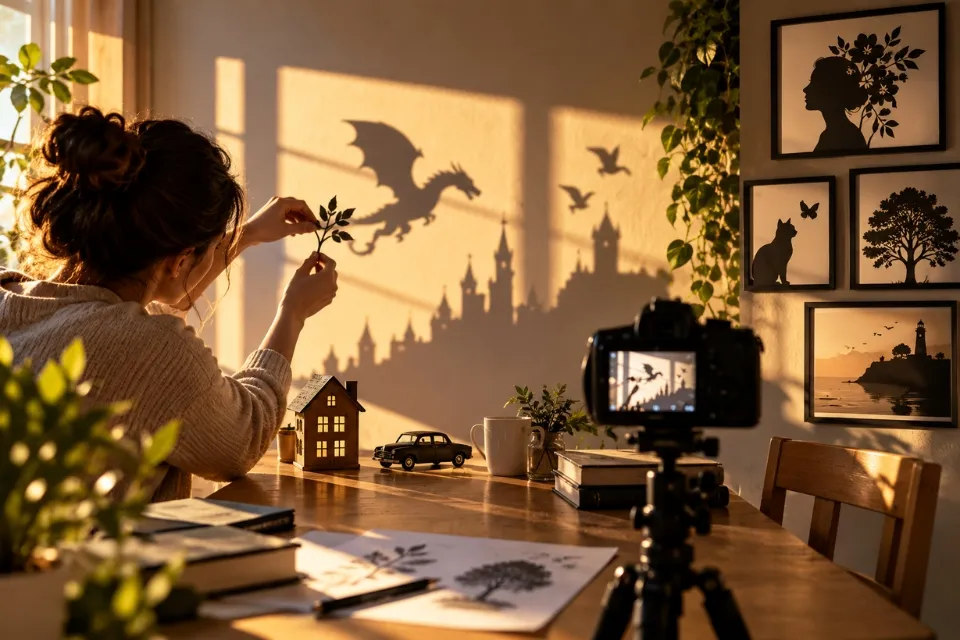
A shadow stretching across a sidewalk at golden hour, a tree branch’s outline on a curtain, a cat perched on a windowsill backlit by afternoon sun — these ordinary moments are full of striking shapes that most people walk right past.
Turning that everyday observation into deliberate silhouette artwork is a genre with real staying power, and text to image AI makes it possible to generate that exact interplay of shadow and light without needing a camera, the right time of day, or years of photography practice.
Dreamina’s advanced image generation capabilities are particularly good at capturing the subtle gradients and sharp contrast that make silhouette art feel authentic rather than flat.
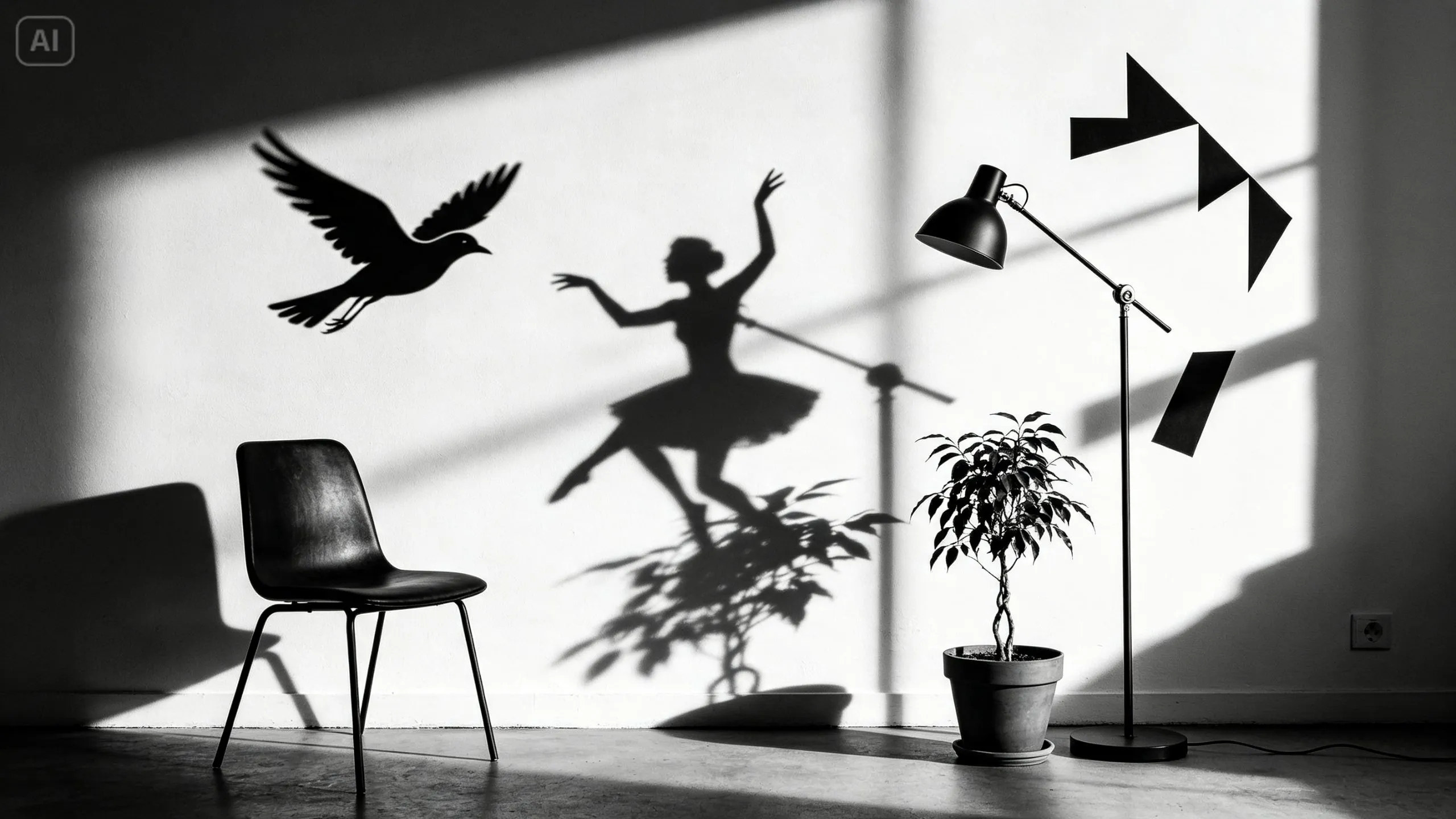
Why silhouettes carry so much emotional weight
Removing internal detail from a subject forces attention onto shape, pose, and composition alone, which is often more evocative than a fully detailed image. A silhouette of a person standing alone at a window says something a fully rendered photo of the same scene might actually say less clearly, simply because there’s nothing to distract from the shape and the feeling it suggests.
Finding everyday shadow moments worth recreating
Some of the richest silhouette subjects come from ordinary daily observation:
- A figure walking through a doorway with light pouring in behind them
- Tree branches or leaves cast against a wall or curtain
- An animal perched somewhere backlit by a window or sunset
- Hands or objects casting long, dramatic afternoon shadows
Balancing negative space with the subject
Silhouette compositions rely heavily on negative space to breathe. A subject that fills too much of the frame loses the quiet, contemplative quality that makes this style distinctive. Leaving generous open sky, wall, or ground space around the silhouette lets the shape read cleanly and gives the image room to feel calm rather than crowded.
Where silhouette art fits into a creative practice
This style translates well into a range of finished pieces:
- Minimalist wall art or print series
- Book cover or poster design with an evocative mood
- Social content built around quiet, reflective themes
- A personal ongoing project documenting a season through shadow and light
Creating the artwork with Dreamina
Step 1: Write a detailed text prompt
Open Dreamina and describe the silhouette scene you’re imagining, with attention to the light source, color, and the shape of the subject.
For a version centered on a person, try: a silhouette of a photographer standing at the edge of a hilltop, camera raised, against a vivid orange and pink sunset sky, minimal high-contrast composition, long shadow stretching across the field
If you have a real photo with lighting you love, upload it as a reference image to guide the color and contrast.
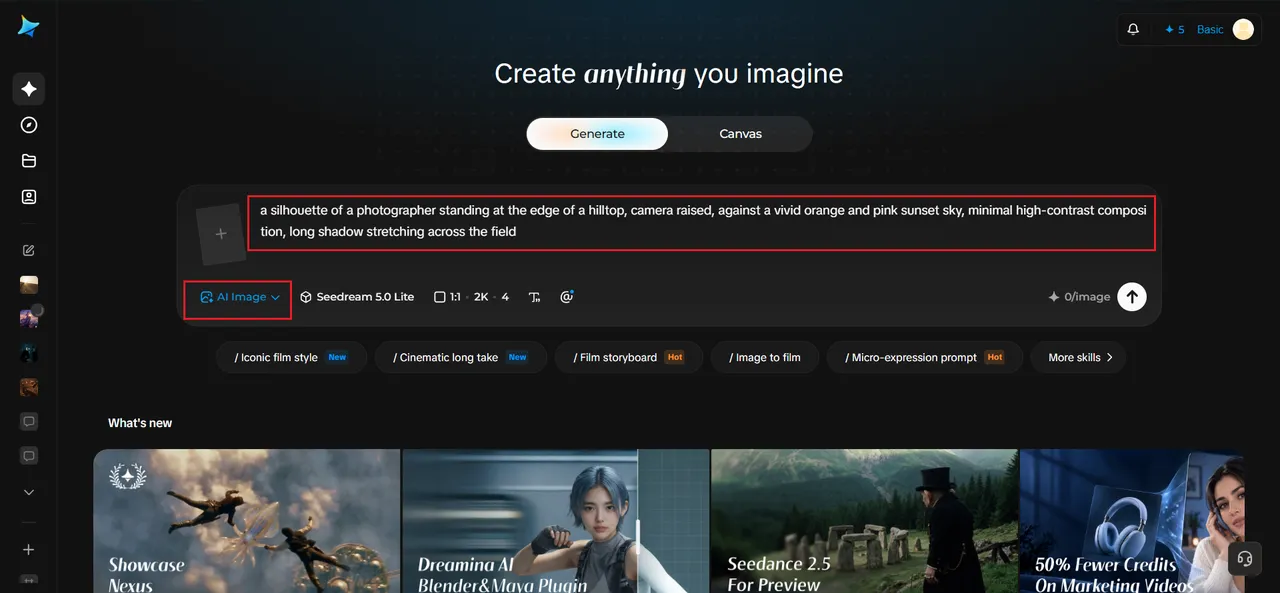
Step 2: Modify parameters and generate
Set the model to Image 5.0 Pro by Seedream 5.0 Pro for its strong handling of contrast and gradient skies, both essential to convincing silhouette work. Choose a landscape aspect ratio for a wide sky-driven scene or portrait for a more intimate single-subject composition, and select 1K for a quick draft or 2K for a print-ready final piece. Tap Dreamina’s generate icon to produce the image.

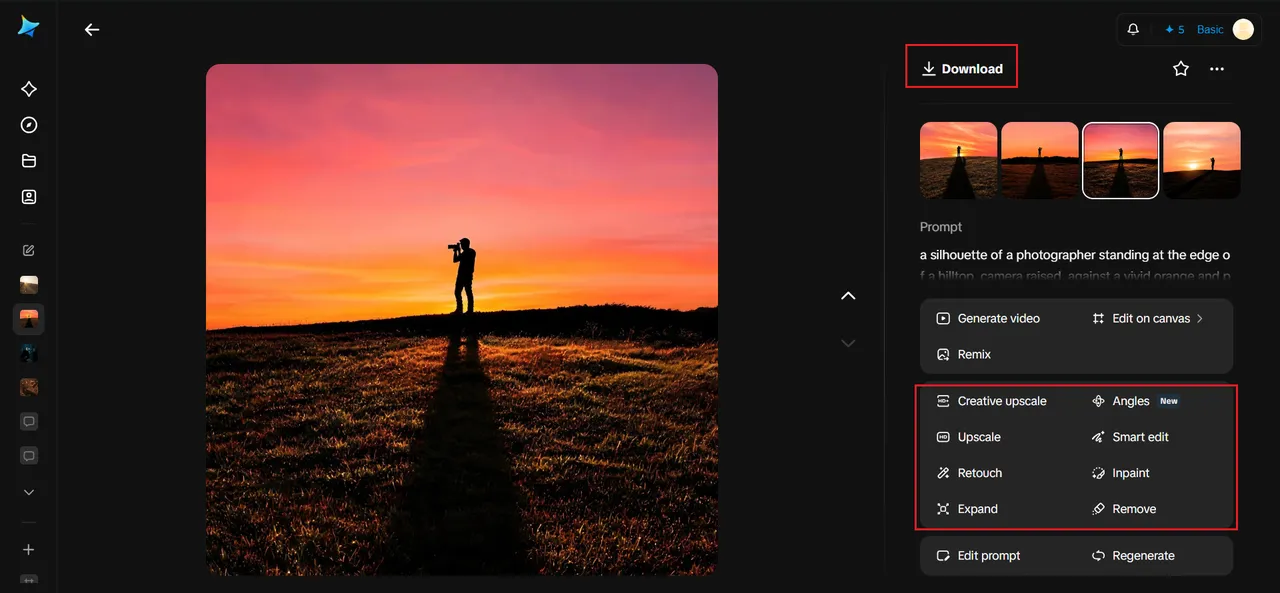
Step 3: Customize and download
Use Dreamina’s editing tools to polish the piece — inpaint to sharpen the silhouette’s edge or adjust the subject’s pose, expand the canvas if the sky needs more room to breathe, remove any distracting element breaking the negative space, and retouch the color gradient for a more dramatic finish. Once it’s ready, click download to save your finished artwork.
Dreamina’s models for light- and contrast-driven art
Silhouette artwork depends almost entirely on how convincingly a model renders gradient light and sharp contrast, which makes model choice genuinely matter here. Seedream 5.0 Pro, Dreamina’s latest and most advanced model, produces smooth, believable sky gradients alongside crisp, clean silhouette edges, making it the most dependable option for this style of work.
Nano Banana offers a softer, slightly more painterly rendering of light and shadow, which can suit a dreamier, less sharply defined silhouette aesthetic. GPT Image 2 is available as another option for comparing a different contrast and color treatment of the same scene before settling on a final version.
Choosing the right light source for the mood
The quality of light behind a silhouette shapes the entire emotional tone of the piece. A low, warm sunset creates a nostalgic, golden feeling, while a cool blue twilight leans more mysterious or melancholic. Describing the specific light source and its color temperature is often more important to the final mood than the subject itself.
A second scene using shadow as the main subject
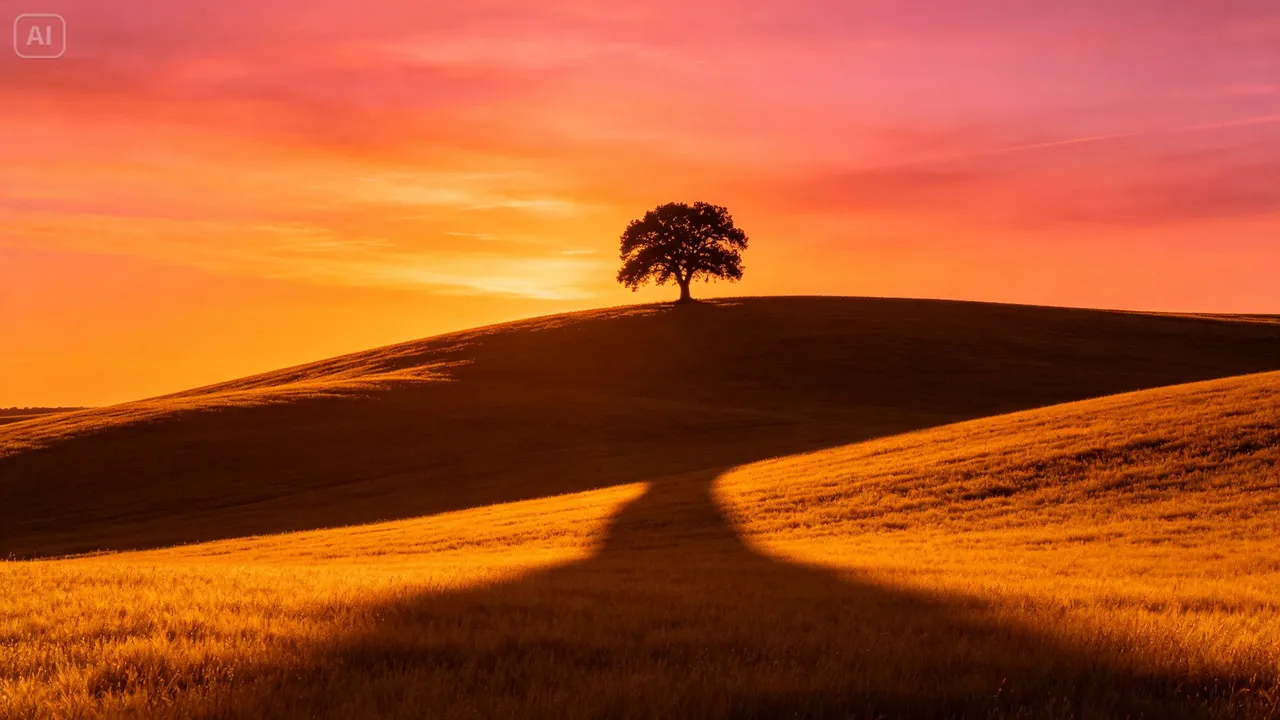
Silhouette art doesn’t always need a solid figure — sometimes the cast shadow itself is the star. Here’s a related prompt, connected in mood to the first but focused purely on the shadow pattern: a dramatic long shadow of a lone tree stretching across a sunlit golden field, the tree itself small at the edge of frame, vivid orange and pink sky, minimal high-contrast composition. Both images share the same palette and drama, but this one shifts focus entirely onto the shadow shape rather than the object casting it.
Building a cohesive silhouette series over time
Since this style draws so directly from everyday observation, it lends itself naturally to an ongoing series — one new silhouette scene captured or imagined each week, tied together by a consistent approach to light and negative space rather than a single fixed subject.
Conclusion
Silhouette art proves that you don’t need every detail visible to tell a story — sometimes a clean shape against dramatic light says more than a fully rendered scene ever could.
With careful attention to light source and negative space, and Dreamina rendering the contrast and gradient that sell the illusion, everyday shadows can become genuinely striking artwork.