
Most investors don’t struggle to find information about gold and silver bullion. They struggle to find information they can actually trust. Before acting on any guidance, the real question isn’t what a source is saying but why it’s saying it.
Evaluating information sources before investing in gold and silver bullion is a skill that doesn’t get nearly enough attention. A source can look authoritative, cite real data, and feature a reputable dealer’s name while still being structured around a sales outcome rather than an educational one. Research from Stanford has shown that even experienced readers have difficulty judging the credibility of online information, which makes this challenge more common than most people assume.
Two distinctions matter here. First, does the source separate its educational content from its commercial interest? Second, does it back claims with verifiable sourcing rather than vague assertions about precious metals markets? Trustworthy information requires both integrity and independence, and the two don’t always arrive together.
How to Tell If a Bullion Source Is Trustworthy
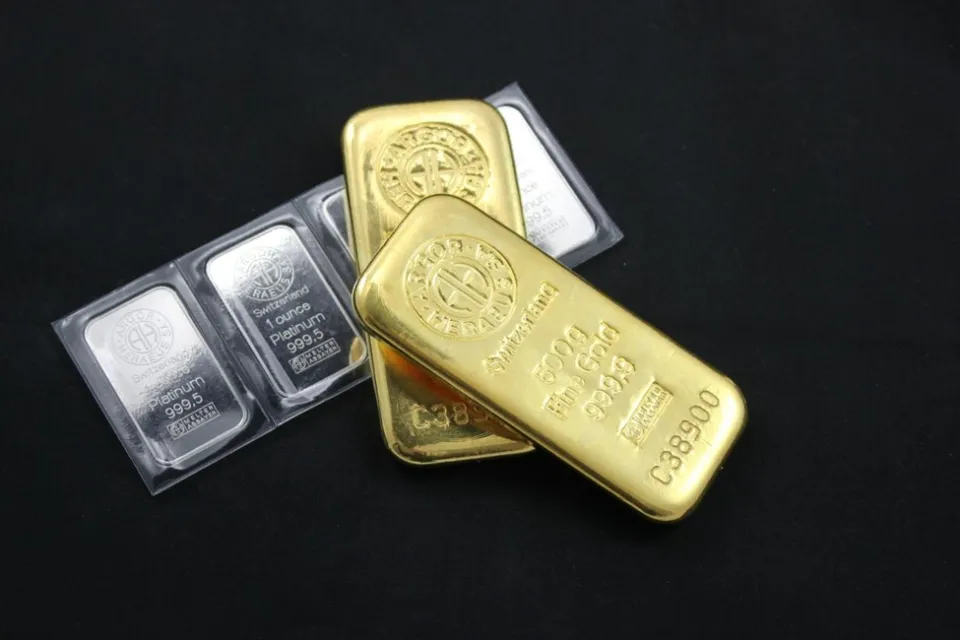
Source quality matters more in precious metals than in many other retail purchases because pricing, fees, and product claims are so often framed by the seller. A page about 1000 oz silver bullion bars may provide concrete product data on format, weight, and liquidity details, but readers still need separate verification for premiums, buyback terms, and market claims. That distinction between product legitimacy and informational independence is easy to miss, and missing it is costly.
Signs the Source Is Informing, Not Selling
The clearest signal of an educational source is what it chooses to include alongside the favorable information. Sources with genuine informational intent tend to disclose conflicts of interest, cite verifiable references, and present costs alongside benefits. They don’t avoid the uncomfortable details. Research on judging the credibility of online information consistently shows that even experienced readers struggle to separate motive from content, so applying a deliberate filter before trusting any source is a reasonable habit to build.
A few practical signals worth checking include whether the source separates market commentary from product promotion, whether claims are backed by documents rather than assertions, and whether the source acknowledges limitations alongside opportunities.
When a Reputable Dealer Is Still Not a Neutral Source
A dealer selling gold bullion or silver bullion can be entirely legitimate on questions of authenticity and product quality. However, that credibility doesn’t automatically extend to investment analysis or market commentary. Dealer credibility and informational neutrality are not the same thing, and conflating them is one of the more common errors new investors make. A reputable dealer is a useful source for product specifications; it is rarely a neutral source for evaluating whether that product suits your situation.
Check Pricing Claims Against Independent Benchmarks
Pricing language in precious metals can be genuinely confusing, and that confusion tends to work against buyers. Before accepting any dealer quote or commentary, it’s worth taking a few minutes to cross-reference the figures independently.
Spot Price, Premium, and Spread Are Not the Same
The spot price is the current market price for immediate delivery of gold or silver, updated in real time through global exchanges. It is the baseline, not the final cost. The premium is the amount added on top of spot to cover minting, distribution, and dealer margin. The spread, on the other hand, refers to the difference between the buy and sell price a dealer quotes. Both affect what an investor actually pays, yet some sources present the spot price as though it represents the total transaction cost, which it does not. When a dealer or publication claims prices are competitive, all three figures need to be visible and comparable, not just the spot figure.
Where to Verify Market Data Before You Buy
Cross-referencing price claims is straightforward once a few reliable source categories are known. The London Bullion Market Association (LBMA) publishes official reference prices for gold bullion and silver bullion, updated twice daily. These figures serve as the global settlement benchmark and carry no commercial agenda. Regulatory bodies also provide useful context; the CFTC fraud advisory covers common misrepresentations in precious metals markets and is a practical reference when something in a quote or article feels inconsistent with independent market data. Comparing claims across at least two independent market references before accepting any dealer quote is a reasonable standard that protects against selective or misleading pricing narratives.
Which Sources Deserve the Most Weight
Different source types answer different questions, and understanding that distinction is where due diligence actually begins. Regulators, market associations, and commercial commentators each serve a different function, and treating them as interchangeable leads to misplaced confidence.
What Regulators Can Confirm for You
The CFTC and FINRA are the two most useful starting points for investors. The CFTC publishes fraud advisories specific to precious metals markets, covering common misrepresentations and unregistered activity. FINRA maintains a registration database and investor alert system that allows anyone to verify whether a firm or individual is licensed to operate. Neither organization has a commercial stake in the outcome, which is precisely what makes them reliable for verification rather than just context. Market associations like the LBMA serve a related but distinct function, setting industry standards and providing reference data used by central banks and institutional traders globally.
What Market Participants and Commentators Cannot
Dealer blogs, newsletters, and influencer commentary occupy a fundamentally different category. These sources can be informative and well-researched, but they are rarely independent. Their value lies in framing and explanation, not in neutral verification. The practical test is straightforward: does the claim reference a document, a regulatory filing, or a published standard? Or does it rest on assertion alone? When establishing the reliability of online content, the presence of traceable sourcing is consistently what separates credible material from confident-sounding opinion.
Use the Source to Judge the Product, Too
A source that treats different precious metals products interchangeably is glossing over distinctions that directly affect cost and risk. The type of product being discussed should shape what questions a reader asks of any source covering it.
Physical Bullion, ETFs, and Gold IRA Claims
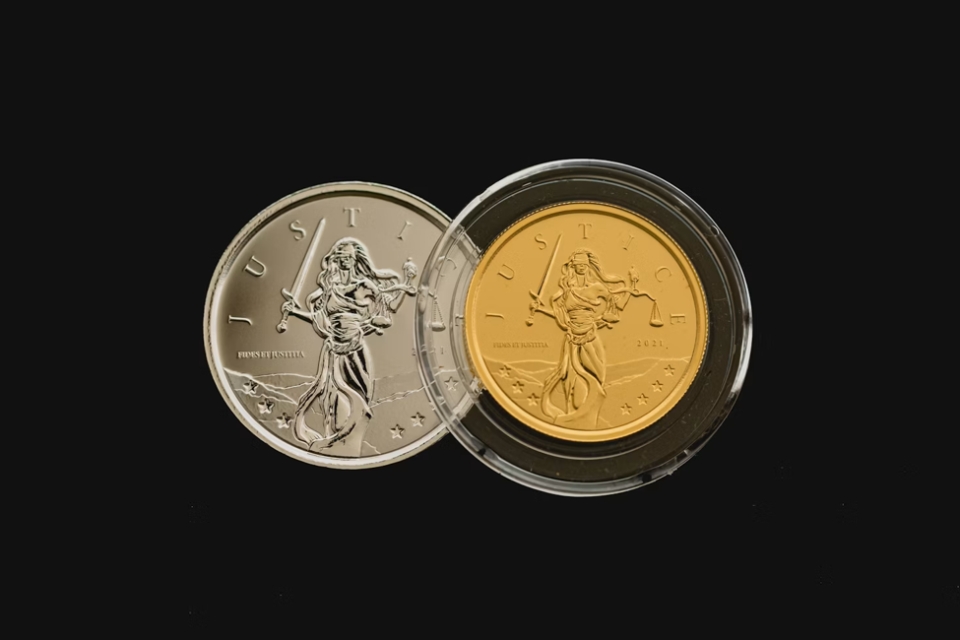
Physical bullion raises questions of authenticity and storage. Coins like the American Gold Eagle are well-documented in terms of weight and purity, but private market purchases still require verification from a trusted dealer. Storage costs, insurance, and custody arrangements add to the total cost of ownership in ways that spot-price-focused content rarely acknowledges. ETFs and gold IRA structures introduce an entirely different layer of due diligence, as fee structures, counterparty exposure, custodian arrangements, and tax treatment all vary significantly. A source explaining gold IRA benefits without detailing fee disclosure requirements is presenting an incomplete picture.
Bullion vs. Numismatic Pitches
The distinction between bullion and numismatic products is one of the more misrepresented areas in precious metals content. Bullion pricing follows spot price logic. Numismatic value, by contrast, depends on rarity, condition, and collector demand, none of which track gold or silver markets reliably. A source blurring this line, particularly when promoting numismatic items alongside bullion, is applying marketing narrative where pricing fundamentals should be doing the work.
Costs and Taxes Weak Sources Tend to Downplay
The practical costs of owning gold bullion or silver bullion extend well beyond the purchase price, and this is precisely where less candid sources tend to go quiet. Storage fees, insurance premiums, and buyback terms all affect what an investor actually earns over time.
A dealer may highlight favorable metal price movements while saying little about the ongoing cost of secure storage or the spread applied when selling back. Those figures quietly erode returns that the spot price narrative makes look straightforward. Capital gains tax treatment is another area where beginners are often caught off guard. In many jurisdictions, physical precious metals are classified as collectibles and taxed at a higher rate than standard investments, which affects any portfolio diversification calculation that treats bullion like an equity position. When a source consistently spotlights price appreciation while minimizing the premium paid at purchase and the tax applied at sale, that selective framing is itself a signal worth taking seriously.
Make Your Decision Only After the Sources Agree
Precious metals decisions made quickly, based on a single source, carry risks that slower research tends to avoid. No single dealer, article, or market commentator holds the full picture, and treating any one voice as definitive is where preventable mistakes tend to originate.
Cross-checking product details, spot price references, and any regulatory claims across independent sources adds friction that actually serves the investor. The CFTC and FINRA exist precisely to provide verification that commercial sources cannot offer. When multiple independent references align, that agreement is more meaningful than any single confident assertion on its own.