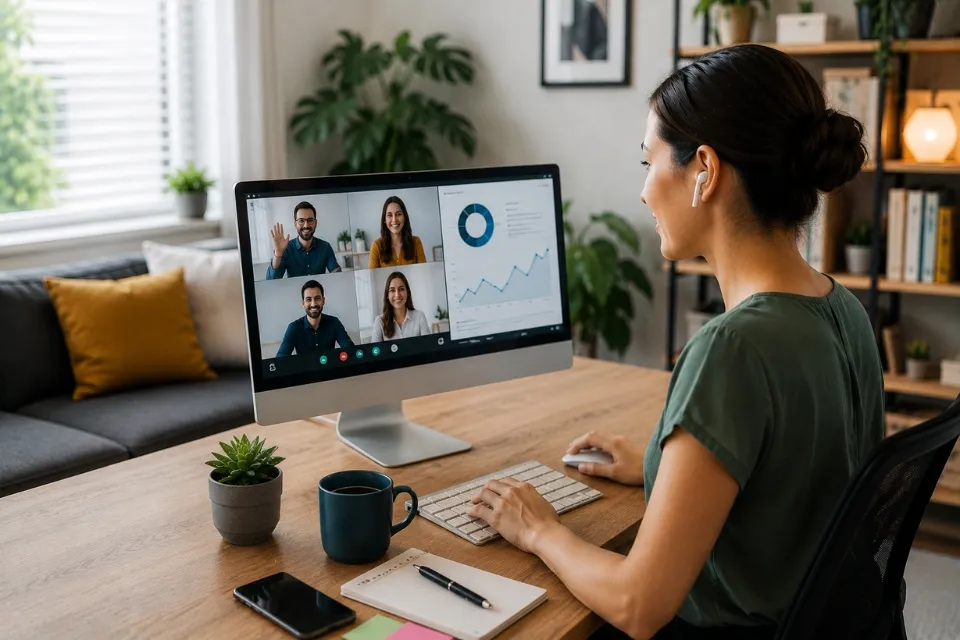
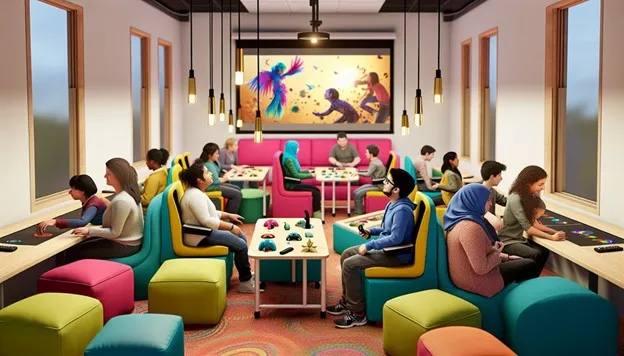
Accessibility 2.0 is all about transforming interactive video for you and other neurodivergent learners by emphasizing customization and inclusivity. It helps create engaging content tailored to your unique sensory needs, letting you adjust visuals, sounds, and pacing. This approach celebrates diverse ways of thinking, fostering an environment where you feel valued and understood. By empowering you to control your learning experience, Accessibility 2.0 paves the way for more effective engagement. There’s so much more to discover!
UNDERSTANDING NEURODIVERSITY IN LEARNING CONTEXTS
As you explore the concept of neurodiversity, it’s important to recognize that everyone learns differently, and these differences can enrich our educational environments.
Embracing neurodiverse perspectives allows you to appreciate unique strengths and challenges. By adopting inclusive pedagogy, you create a space where all learners feel valued and supported.
This approach encourages collaboration and understanding, leading to innovative solutions in the classroom. You’ll find that when you honor diverse ways of thinking, you foster creativity and critical thinking among your peers.
Remember, it’s not just about accommodating differences; it’s about celebrating them. By integrating various learning styles, you empower everyone to thrive, ensuring that education becomes a liberating experience for all.
Embrace this journey, and watch your community flourish.
Challenges in Traditional Interactive Video
Many learners encounter significant challenges when engaging with traditional interactive video formats. For some, the fast-paced visuals and sudden audio changes can lead to sensory overload, making it hard to focus. You might find yourself overwhelmed by too many options or distractions, which can hinder your video engagement.
Additionally, the lack of customizable features often leaves you struggling to adapt these videos to fit your unique needs. Traditional formats typically don’t consider the varied ways people process information, which can make learning feel inaccessible. When video content isn’t tailored for everyone, it can become an obstacle rather than a tool, limiting your freedom to fully engage and learn effectively.
Embracing this awareness is the first step toward creating better experiences for all learners.
Innovative Interactive Video Accessibility Techniques
While traditional interactive videos often fall short, innovative accessibility techniques are emerging to create more inclusive experiences for neurodivergent learners.
You can benefit from video customization, allowing you to tailor content to your unique preferences. This means adjusting visuals, sounds, and pacing to suit your sensory needs.
Additionally, incorporating sensory feedback can enhance engagement and understanding. For instance, haptic signals or visual cues can provide real-time responses that make the experience more interactive and enjoyable.
These techniques empower you to take control of your learning journey, fostering a sense of freedom and connection.
HOW TO ENGAGE NEURODIVERGENT LEARNERS EFFECTIVELY
Engaging neurodivergent learners requires a thoughtful approach that respects their diverse needs and preferences. Start by providing varied visual engagement, using colors, graphics, and animations that capture attention without overwhelming.
Recognize that sensory preferences differ among individuals; some may thrive in quiet environments, while others may enjoy background sounds. Allow learners to customize their experience by offering options, such as adjusting volume or selecting preferred visual styles.
Additionally, incorporating interactive elements that encourage participation, fostering a sense of agency and belonging, reflects approaches commonly used in a middle school online environment where learners are given structured opportunities to engage actively while accommodating diverse learning needs. Remember, creating a supportive atmosphere where learners feel valued and understood is key.
Future Trends in Accessible Interactive Video Design
As technology evolves, the landscape of accessible interactive video design is set to transform, making it more inclusive for neurodivergent learners.
You’ll see adaptive technologies becoming integral, allowing content to adjust to individual needs in real-time. Imagine videos that adapt not just in text size or color contrast, but also in sensory considerations like sound levels and visual effects, catering to diverse sensory preferences.
Future designs will prioritize user autonomy, letting you choose your experience, whether that’s turning off distracting animations or selecting calming soundscapes. This shift empowers you, creating a learning environment where you can thrive.
Conclusion
As you explore the world of interactive video for neurodivergent learners, remember that 1 in 5 people identify as neurodivergent. By embracing innovative accessibility techniques, you’re not just enhancing engagement; you’re fostering an inclusive environment where all learners can thrive. Imagine the impact of creating content that resonates with diverse minds! Together, let’s champion designs that uplift every learner’s experience, making education more accessible and enjoyable for everyone. Your efforts can truly change lives!