
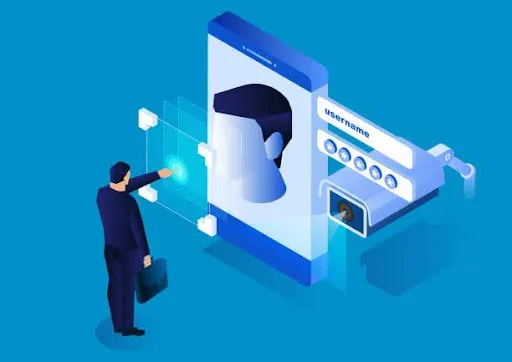
Taking advantage of fake identity, many unreal customers take heavy amounts, making many organizations fool with sudden disappearance. It is estimated that 33 percent of the victims, due to identity theft, freeze their identity cards. There is a need to find a reliable solution to overcome this problem of cyber crimes and identity theft. With the help of electronic verification of identity, businesses can access authentic and legitimate customers and secure themselves from illicit entities. E-identity is the most crucial element in the fight against criminal activities like money laundering and terrorism financing. In this article, let’s explore how to enhance security and transparency in business operations with EIDV services.
What is meant by Electronic Verification of Identity?
Electronic identification is the process of evaluating a client’s credentials. Businesses gather significant details about the consumer, including their passports, names, criminal backgrounds, residential locations, and educational and bureaucratic documents. All this data tells about the authenticity of the client and whether they are involved in any suspicious activity. Electronic verification of identity utilizes professional tools to easily access the verification process instead of asking clients to schedule time and hand over the documents from their busy routines. This process offers a secure connection between the client and the business, where documents are gathered in a convenient way and electronically verified; the documents are more accurate than humans. {module Banner In-article Ad}
Advantages of Electronic Verification of Identity
The organizations operating in the financial sector require digital technologies to compete with illicit and fraudulent entities.
Electronic verification of identity provides a complete solution without human effort, time efficiency, and accurate results. Electronic identification facilitates business and customer relationships in several ways:
-
Mitigates Frauds and Cybercrimes
Electronic Identity verification service enables organizations to confirm the profiles of individuals to protect sensitive transactions such as banks, real estate, and health care and prevent financial and data loss. Advanced technologies like AI and Machine Learning algorithms make the EVID process quickly indicate fraudulent activities like money laundering and terrorism financing.
-
Protect the Confidential Information
Organizations are responsible for keeping the sensitive data of individuals with care while performing the verification process. Automated electronic verification of identity enables companies to encrypt the collected data to make it inaccessible to hackers. If the cyber attacker gains the customer’s confidential information, a decrypted key is required to open the layer of security and make it accessible to the user.
Increase the Verification Security
This process requires a multi-factor verification process in which the customer has to go through various verification processes such as fingerprints, entering the code sent to the phone number or email address, and showing the face for real-time identification. This strengthens security, as these fingerprints and security codes determine the individual is the valid owner of their sensitive information.
Smooth the Customer Onboarding Process
An enhanced and seamless onboarding process is convenient for businesses and saves customers time. Electronic verification of identity allows customers to quickly verify their identity and start using the product and service of the business. It takes days and weeks to identify the client manually. The automated e-identity enhances customer onboarding and allows customers to access the services immediately. {module Banner In-article Ad}
Reduce Verification Clash for Customers
In the electronic verification of identity, customers do not need re-verification or any clash in the identification process. It reduces the investigation time and smooths the customer experience with the business. It reduces the frustration of remembering the username and password, as they can access the data with a single click. The client does not need to verify their identity again if they are utilizing the services from the same providers.





