
Anonymous calls can be more than just a nuisance—they can become a serious threat if left unchecked. Hiding behind a phone screen allows stalkers, scammers, and robocall machines to operate with impunity. In fact, Americans alone lost nearly $20 billion in 2019 to call-scam fraud, and in the past year they received an average of 54.6 spam calls, a 108 % increase over the prior year.
In situations like these, a reverse phone lookup becomes a powerful tool. Discovering who’s calling can help you avoid unwanted calls, protect your privacy, and take action if the calls escalate. Here’s how to do effective reverse phone searches in 2026—using the latest methods and technology.
Reverse Phone Lookup Techniques
1. In-Depth Search (For High-Risk or Investigative Situations)
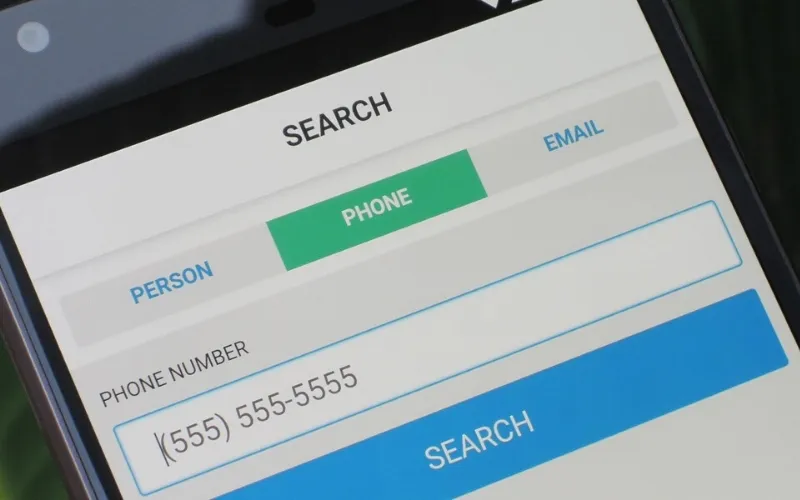
When you’re dealing with persistent harassment, threats, or possible fraud, you need more than a quick lookup. People-search sites remain the best option. These platforms maintain vast, curated databases that consolidate public records, archived data, court filings, social profiles, and more.
In 2026, these services increasingly integrate artificial intelligence (AI) and data-enrichment platforms to cross-check millions of records–adding layers like address history, criminal-record flags, property-ownership links, and social network mapping.
When to use this: if you receive threatening or repeated calls, fear identity theft, or suspect serious fraud.
What to watch for: These services usually require subscriptions. Also, ensure they comply with regional privacy regulations like GDPR or CCPA.
2. Quick Anonymous Search (Free & Immediate)
Sometimes you simply want to judge whether answering an unknown number is safe. For this, your best bet is still a standard search engine like Google or Bing. Type the number in quotation marks (e.g., “+1 555-123-4567”) and review the results. You might find a mention on social media, a forum thread, or a database. This method is free, anonymous, and immediate.
Pros: Fast, anonymous, zero cost.
Cons: Limited visibility. Some numbers (especially VoIP strings or newly issued numbers) may not appear in public indexes.
2026 Trend: AI-powered search assistants now surface deep-web mentions, forum posts, and real-time user reports—so even free searches are becoming more powerful.
3. Automatic Search & Caller-ID Apps (Everyday Protection)
If you get many unknown or spam calls, an automatic caller-ID app may be your best defense. These apps scan incoming calls, compare the number against large user-generated databases, and provide live caller-ID alerts or spam warnings. Some also include call-recording, blocking, and reporting features.
Ideal for: everyday use, blocking robocalls, monitoring repeated numbers.
Limitation: These apps rarely reveal full identity details—they mostly flag numbers as spam or known nuisance callers.
2026 update: Many caller-ID apps now incorporate AI to detect voice spoofing (where a scammer mimics a trusted contact’s voice) and provide risk scores for each incoming call.
4. Social Media & Community Search
Social media platforms remain a surprising but useful channel for reverse phone lookup. Many users—especially victims of scams or harassment—share experiences publicly in forums, groups, or social feeds. Searching the number in Facebook, Reddit, Twitter, or specialized community boards may reveal complaints, shared screenshots, or context about the caller.
Use when: the number is tied to a repeated pattern of harassment, or you suspect a scam being discussed in user groups.
Be aware: Results are inconsistent. Privacy settings and anonymization may limit findings.
2026 upgrade: Some platforms use AI image- and voice-matching to identify if screenshots of a number are circulating. Community-crowd-sourced “scam reports” databases now link social data, number reports, and incident details.
5. Official Search via Network Operator or Legal Routes
If harassment escalates or you suspect criminal activity, contacting your mobile network or legal authorities is the final step. Many mobile operators provide free directory assistance or abuse-reporting services. While they won’t hand over personal details, they can record your complaint, log repeated calls, block numbers, or refer you to law-enforcement.
When to use: continuous threatening calls, stalking, or illegal behaviour.
Remember: Carriers can only act if the number is on their network. VoIP or overseas numbers may fall outside their reach.
2026 context: Regulators and operators now offer instant reporting and blocking services via apps with real-time database updates of flagged numbers. Privacy laws are also evolving, giving victims stronger rights to escalate.
Bottom Line
You no longer have to feel powerless when unknown numbers keep calling. Technology in 2026 offers a suite of tools—from deep-dive databases and AI-powered caller apps to social media intelligence and carrier escalation—to help you separate genuine contacts from threats.
By selecting the right approach based on your situation—whether it’s basic spam protection or in-depth investigative lookup—you take back control over your phone line and your safety.
Next Step
If you’re ready to take action, start with one of the methods above. Whether it’s installing a caller-ID app, performing a quick lookup, or investing in a people-search database, equip yourself with the right tool for your level of risk. The goal: never pick up a number that could cost you peace of mind—or more.